
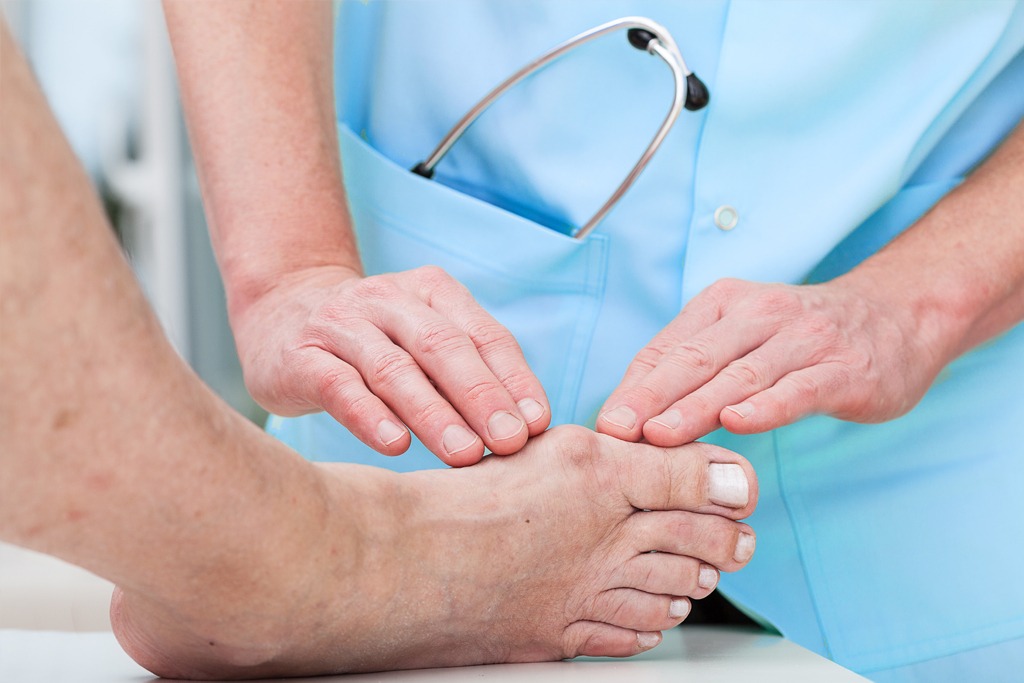
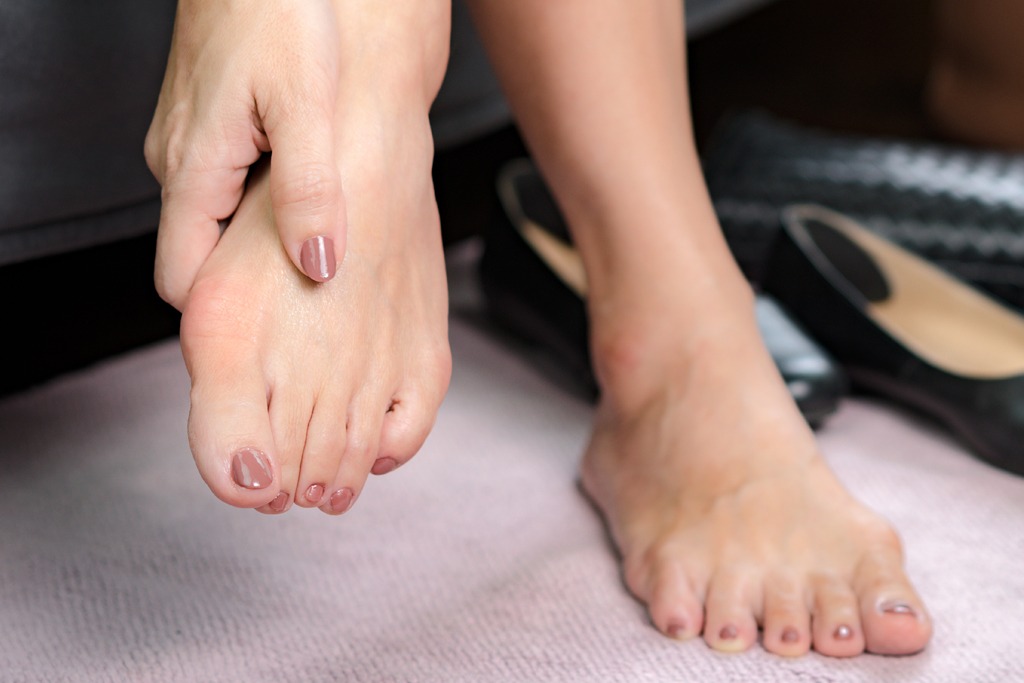
What is a Bunion?
How Do Bunions Form?
Bunions typically become noticeable and painful in early adulthood between the ages of 20 and 40, and become more pronounced with age and activity. Usually, bunions are caused by a genetic muscular imbalance and not by wearing improper shoes; however, improper shoes will make the bunion hurt.
In most cases, bunions are hereditary and may occur with other foot problems (e.g., calluses, corns, long toes, or hammertoes). If your parents or grandparents had problems with bunions, you are likely to develop them as well.
What Are Bunion Symptoms?
Are There Diagnostic Tests For Bunions?
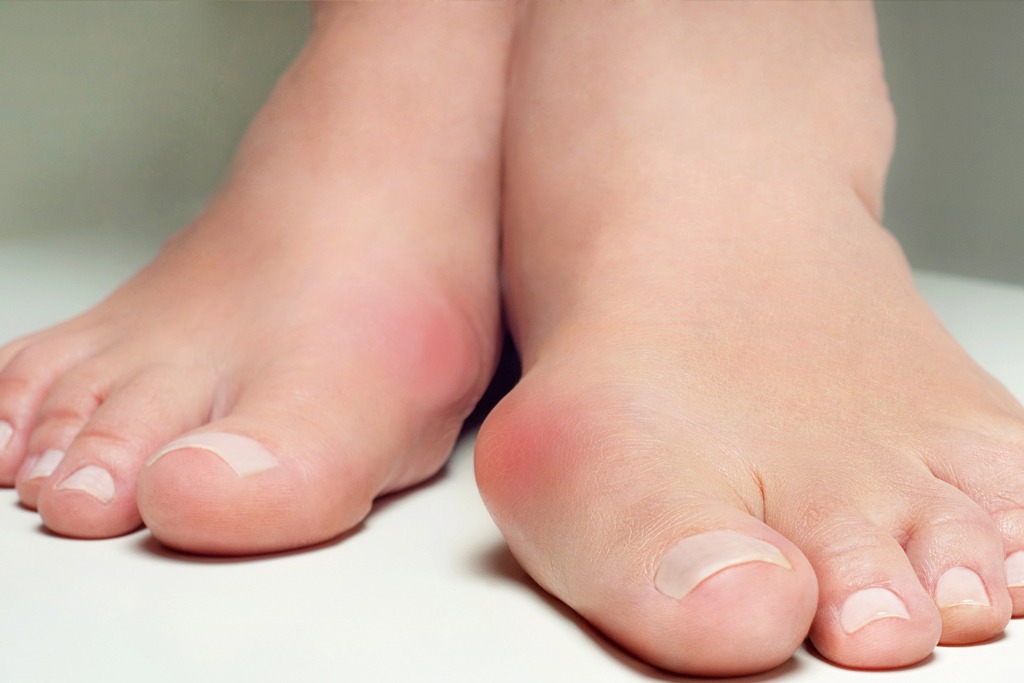
Why Early Treatment Matters
Bunions are progressive, meaning they will not go away on their own and typically worsen over time. Ignoring the early signs can lead to severe pain, difficulty walking, and the development of other foot issues, such as hammertoes or corns.
Seeing a qualified podiatrist for bunion care is vital as soon as you notice changes. Early intervention offers the widest range of treatment options and can often prevent the need for invasive procedures later.
- Pain: Persistent soreness or aching at the bunion site.
- Inflammation: Redness and swelling around the big toe joint.
- Stiffness: Reduced motion in the big toe.
Our Bunion Treatment Options
We believe in a graded approach to care, starting with the least invasive methods whenever possible.
Non-Surgical Relief
For mild to moderate bunions, we focus on symptom management and halting progression. Non-surgical bunion relief options available to Lake Oswego patients may include protective padding, anti-inflammatory medication, and adjustments to footwear. We also highly recommend custom orthotics to correct the underlying biomechanical issues contributing to the deformity.
Surgical Correction
When conservative measures no longer provide relief, or the deformity is severe, surgery may be the best path forward. We offer advanced bunion surgery in Lake Oswego to realign the bone, correct the soft tissue, and restore proper function. Dr. Manson utilizes modern techniques designed to minimize downtime and optimize stability.
Self-Care Tips to Support Your Treatment
- Choose Wide Shoes: Wear shoes with a wide toe box to reduce pressure on the bunion.
- Apply Ice: Icing the area for 15-20 minutes can reduce swelling after a long day.
- Elevate Your Feet: Keeping your feet up helps decrease inflammation and throbbing.
- Use Padding: Non-medicated bunion pads can prevent friction in shoes.
Why Choose the Oregon Institute of Foot Care?
Dr. Tyler Manson, an expert podiatrist in Portland, is dedicated to patient education and transparency. We prioritize a patient-centric focus, meaning we spend meaningful time listening to your specific goals and concerns rather than rushing you through an appointment.
Our dedicated team combines this compassionate, unhurried approach with advanced diagnostic technology and surgical expertise, providing that residents of Portland, Lake Oswego, and West Linn receive the highest standard of foot care available.

Frequently Asked Questions
Is bunion surgery painful?
How long does it take to recover from bunion surgery?
Do you accept insurance for bunion treatment?
Will my bunion come back after surgery?
Can I drive after the procedure?
Schedule Your Bunion Evaluation Today
Do not let foot pain dictate your daily activities. If you are looking for effective bunion treatment in Portland, Lake Oswego, or West Linn, contact the Oregon Institute of Foot Care today. Let us help you walk comfortably again.
Related Procedures
Heel Pain
Skin Conditions
Ankle And Leg
Arch Pain
About
At Oregon Institute of Foot Care, we care about healthy, happy, beautiful feet. We strive to provide personalized foot care and achieve the outcomes, both functionally and cosmetically, that our patients desire. What sets OIFC apart is our dedication to providing the highest quality care available, utilizing the latest medical techniques and technologies, educating patients to make well-informed health care decisions, and restoring foot and ankle function as quickly and beautifully as possible. Our mission is to give you healthy, happy, beautiful feet.
About