What Is The Difference Between A Corn And A Callus?
What Causes Corns Or Calluses?
How Can I Treat Corns And Calluses At Home?
What Happens If You Ignore The Corn Or Callus?
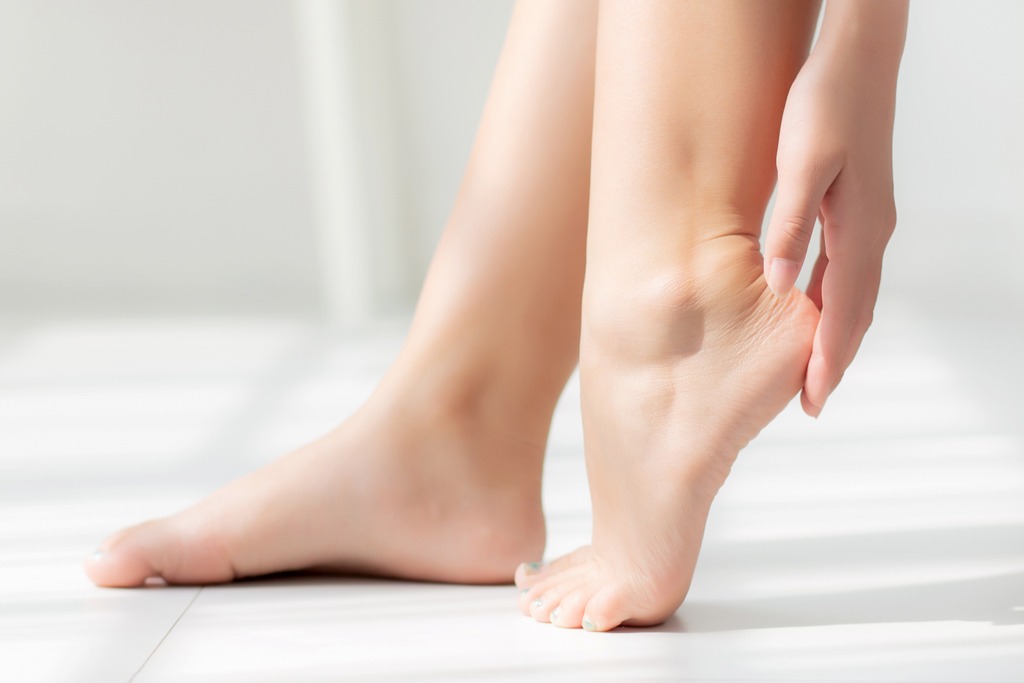
Why Are Corns And Calluses Painful?
What Are Other Treatments Available For Corn and Calluses?
The idea in treating the corn or callus is to reduce the pressure that is causing it. Choosing wider shoes, prescribed skin softeners (ex. urea, Amlactin), routine foot care, off-loading pads, and custom orthotics are usually the first line of treatment. Recent advancement in medicine has made many foot fillers, including fat allograft (Leneva® for corns and calluses), as a nonsurgical option for pain relief. Lastly, surgery may be considered in severe cases.
Healing and Recovery: What to Expect
Leneva injection recovery time is minimal, with most patients resuming light daily activities the same day. We advise avoiding high-impact activities or prolonged pressure on the treated area for two to three days to support optimal fat matrix integration.
Walking after foot fat grafting is encouraged soon after treatment, provided you wear stable, supportive footwear to protect the grafted area. For patients undergoing structural correction, Corn surgery recovery in Portland can be expected to take approximately 10–14 days.

Frequently Asked Questions
How long do Leneva results last?
This varies, but because the graft provides a scaffold for your own cells, the new cushioning can last for several months to over a year. Periodic maintenance treatments may be recommended to preserve the protective padding under your metatarsals.
Corn removal vs. corn surgery: what is the difference?
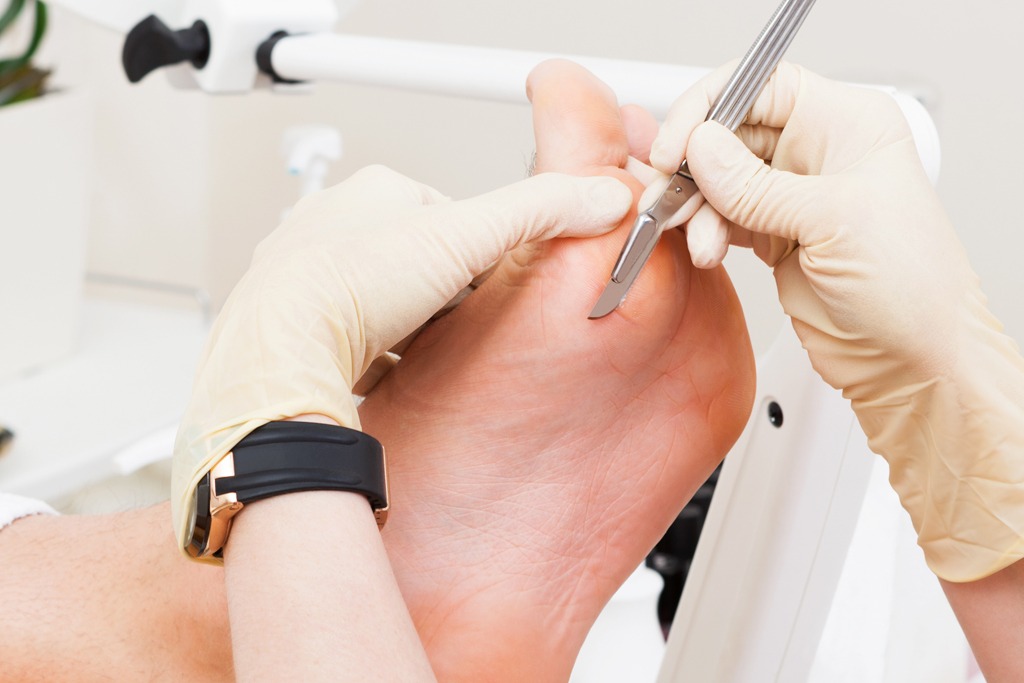
Corn removal involves the painless paring of thickened skin, while surgery corrects the underlying bone protrusion. Dr. Manson determines the best approach based on whether the issue is a simple skin buildup or a structural deformity.
What is the cost of Leneva, and can I use insurance?
The cost of Leneva injections at our practice in Portland is $1,000 for 1.5 cc and $1,500 for 3 cc. While insurance for corn removal in Oregon often covers medically necessary surgical interventions, regenerative treatments like Leneva are typically direct-pay.
Can I use my HSA for podiatry services?
Patients frequently use an HSA to cover the cost of custom orthotics to manage out-of-pocket expenses for preventive biomechanical support. This allows for affordable podiatry in West Linn and the surrounding areas.
Related Procedures
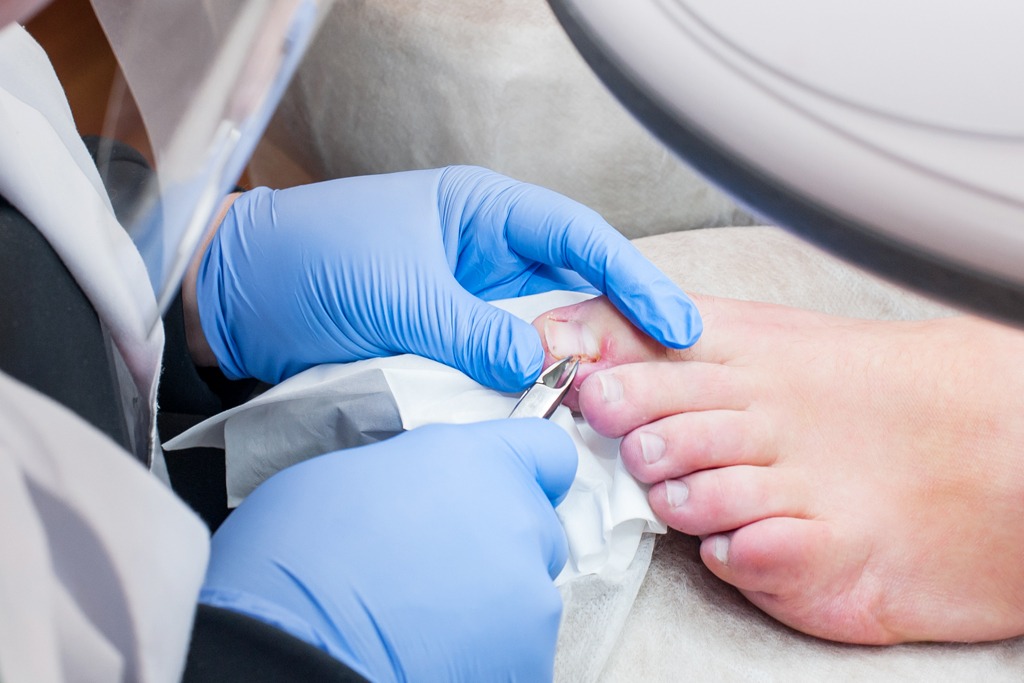
Onyfix Ingrown Toenail Correction
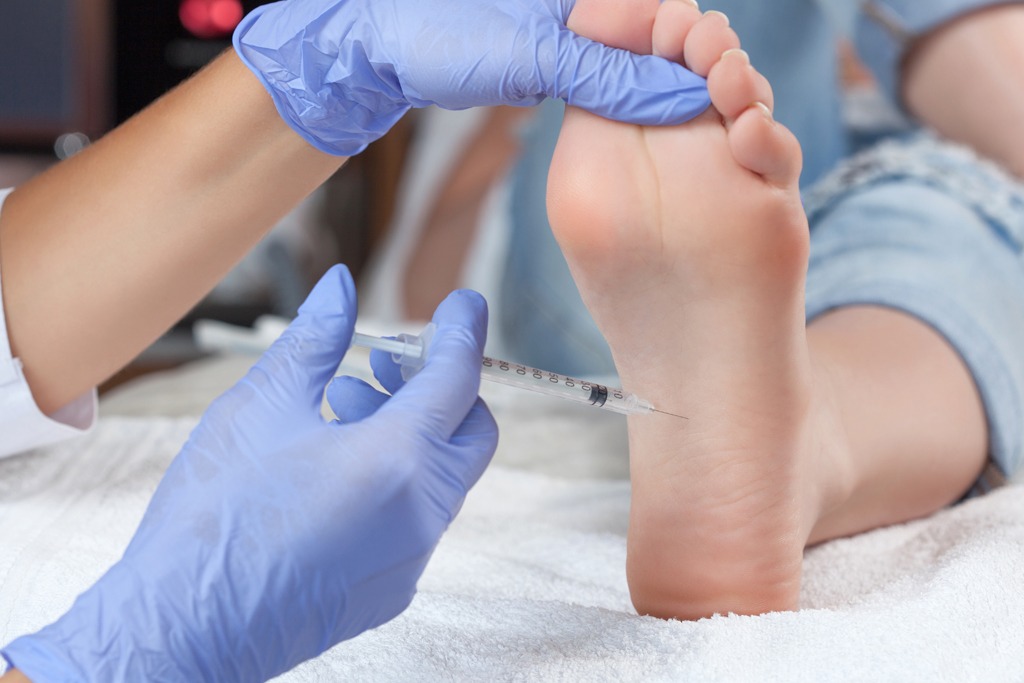
Amniotic Injection Therapy
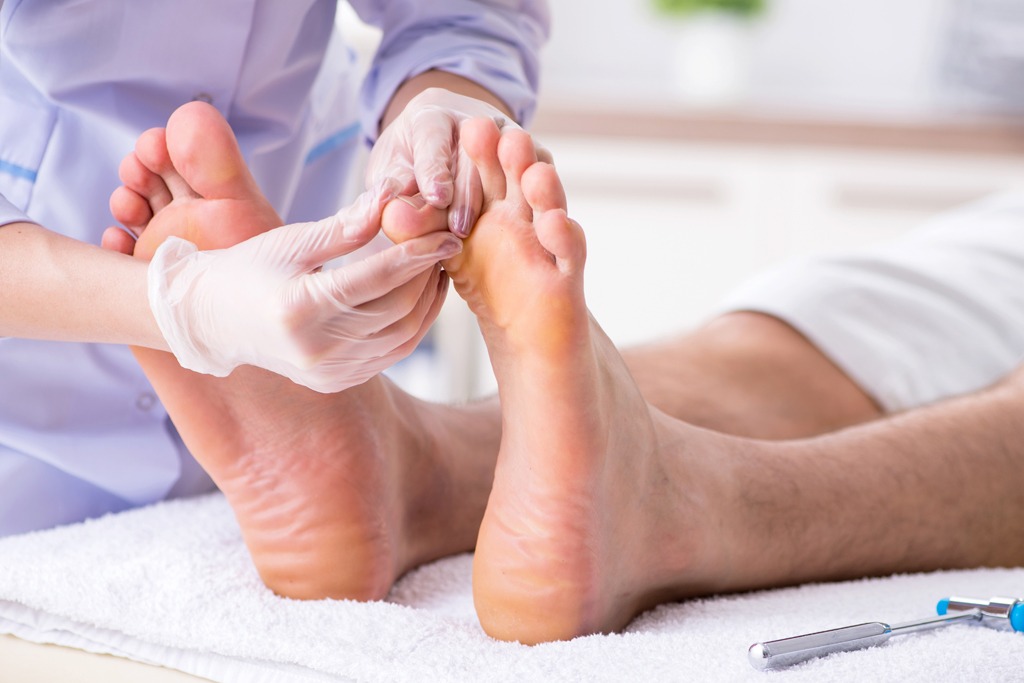
Leneva Corn and Callus Treatment
Amniotic Wound Care
About
At Oregon Institute of Foot Care, we care about healthy, happy, beautiful feet. We strive to provide personalized foot care and achieve the outcomes, both functionally and cosmetically, that our patients desire. What sets OIFC apart is our dedication to providing the highest quality care available, utilizing the latest medical techniques and technologies, educating patients to make well-informed health care decisions, and restoring foot and ankle function as quickly and beautifully as possible. Our mission is to give you healthy, happy, beautiful feet.
About